
Historical landmark clearance requires a nuanced approach balancing preservation and removal. Complete house clearance solutions must consider historical value, involving local historians and conservation officers. Specialized equipment and trauma-informed methods ensure safe removal while adhering to cultural heritage guidelines. Legal considerations, community engagement, and sustainable practices are vital for responsible landmark preservation. Reputable professionals preserve integrity, ensuring landmarks are cleared efficiently for future generations.
Historical landmarks are not just bricks and mortar; they represent stories, cultures, and significant moments in our collective history. However, when these structures face abandonment or renovation, the challenge of complete house clearance becomes paramount. The process demands meticulous care to preserve historical integrity while facilitating safe and efficient removal. This article delves into the complexities of clearing historical landmarks, highlighting common pitfalls and offering a comprehensive solution that ensures both preservation and thoroughness. By exploring best practices and leveraging expert insights, we provide a genuine value-add for those navigating this critical task.
- Understanding Historical Landmark Clearance Requirements
- The Role of Complete House Clearance Solutions
- Legal Considerations for Removing Historic Landmarks
- Community Engagement in Landmark Preservation Decisions
- Restoring Heritage: Effective Strategies for Landmark Clearance
Understanding Historical Landmark Clearance Requirements

Understanding Historical Landmark Clearance Requirements
When it comes to preserving our historical heritage, ensuring a thorough and respectful clearance process is paramount, especially for landmarks that hold cultural significance. This involves a nuanced understanding of what constitutes a complete house clearance solution, particularly in sensitive areas like North Yorkshire, Warwickshire, and East Sussex, where the preservation of history is a local priority. The end-of-tenancy clearance process for historical landmarks requires a delicate balance between removing unwanted items and preserving the architectural integrity and historic value of the property.
In regions such as North Yorkshire, known for its rich cultural heritage, complete house clearance solutions must be tailored to meet specific preservation standards. For instance, when clearing a tenant's belongings from a period property in this area, it is crucial to differentiate between items that contribute to the historical significance of the building and those that are merely functional or obsolete. This distinction often necessitates involving local historians or experts who can provide valuable insights into the property's past and ensure that any clearance work aligns with regional preservation guidelines.
Warwickshire, another region steeped in history, demands a similar level of care during end-of-tenancy clearances, especially when dealing with properties that are part of a heritage site. A complete house clearance solution here should not only address the physical removal of belongings but also consider the long-term impact on the site's historic character. For example, if a property within a historical village needs to be cleared, it may be necessary to collaborate with local conservation officers to ensure that any materials removed are properly documented and potentially reused or preserved elsewhere.
East Sussex, renowned for its coastal history and diverse architectural styles, offers unique challenges in landmark clearance. Here, complete house clearance solutions must be tailored to respect the character of different neighborhoods. In historic waterfront areas, for instance, the removal of certain items might require special consideration due to their potential impact on viewsheds or the overall aesthetic appeal of the area. Visiting us at clear out estate items anytime can provide valuable insights and guidance tailored to these specific regions, ensuring a complete house clearance solution that respects both the property's history and its future.
The Role of Complete House Clearance Solutions

Historical landmarks, whether they are ancient structures, museums, or sites of cultural significance, require meticulous care and specialized handling during periods of vacancy or renovation. In the United Kingdom, the process of clearing and preparing these sites for new developments or public access is crucial and often complex, especially in areas like Hampshire, Surrey, and East Sussex. This is where a complete house clearance solution becomes indispensable, ensuring that these landmarks are preserved and restored with the utmost respect for their historical value.
A complete house clearance solution involves a comprehensive range of services designed to meet the unique needs of historical properties. This includes the safe and efficient removal of all fixtures, fittings, and personal belongings while adhering to strict cultural heritage guidelines. For end-of-tenancy or renovation purposes, a specialized team equipped with the right tools and expertise is essential. For instance, in Hampshire, where numerous historic buildings are scattered throughout, a complete house clearance solution provider would understand the local regulations and possess the skills to navigate the preservation requirements for such iconic structures.
The benefits of engaging a complete house clearance solution extend beyond compliance with legal and preservation standards. Efficient rubbish removal in Surrey and East Sussex, for instance, ensures that historical sites are cleared of hazardous waste and debris, minimizing environmental impact. Moreover, these solutions often include specialized equipment capable of handling delicate or oversized items, reducing the risk of damage. By employing such services, landmark owners and managers can focus on the broader goals of preservation and restoration, confident that the physical clearing process is in capable hands.
For a more tailored approach to historical landmark clearance, consider visiting us at trauma-informed clearance. We offer a complete house clearance solution that respects the unique requirements of these sites, ensuring that every step aligns with the highest standards of preservation and care. Our expertise and commitment to excellence make us a trusted partner for landmark owners and conservators across the UK.
Legal Considerations for Removing Historic Landmarks

The legal considerations surrounding the removal of historic landmarks are intricate, requiring a delicate balance between preserving cultural heritage and facilitating necessary changes to urban landscapes. In many jurisdictions, historical structures are protected by law, often through zoning ordinances or specific preservation acts. These laws not only restrict their demolition but also dictate the level of alteration allowed. For instance, in England, the Planning (Listed Buildings and Conservation Areas) Act 1990 governs listed buildings, mandating that any proposed changes must be approved to ensure their historical integrity remains intact. This legal framework underscores the importance of engaging with experts specializing in historic preservation during projects involving landmarked properties.
When considering a complete house clearance solution for such sites, it's crucial to understand that ordinary rubbish removal services may not be adequate or even permissible. In regions like Essex and Dorset, where end-of-tenancy clearances are common, specialized companies offering historical landmark clearance services can provide tailored support. These experts navigate the legal landscape, ensuring compliance with local conservation regulations while efficiently removing unwanted items from these protected structures. For example, a property undergoing renovation to accommodate new tenants or a change in use might require meticulous deconstruction and disposal of historical artifacts, all while adhering to strict environmental and heritage protection guidelines.
To ensure smooth clearance for historic landmarks, property owners or managers should seek out reputable companies with a proven track record in handling such projects. Complete Home Cleanout, for instance, offers a comprehensive house clearance solution that respects the unique challenges posed by landmarked properties. Engaging with professionals who understand the legal nuances can prevent costly mistakes and potential legal repercussions. By prioritizing responsible disposal methods and conservation-minded practices, these experts contribute to the preservation of architectural heritage while facilitating necessary changes. This approach not only protects historical assets but also fosters a sustainable and respectful relationship between development and cultural legacy.
Community Engagement in Landmark Preservation Decisions

Community engagement is a critical component of landmark preservation decisions, as it ensures that local history and cultural heritage are respected and protected. When considering clearance for historical landmarks, such as those in Devon, Bristol, or Hampshire, active involvement from the community can enrich the process and yield more meaningful outcomes. This collaborative approach not only preserves the physical structures but also educates and connects residents to their shared past.
One of the primary benefits of community engagement is gaining access to local knowledge and expertise. Historical societies, architectural conservators, and long-time residents often possess insights into a building's history and unique characteristics that might be overlooked by outsiders. For example, in end-of-tenancy clearance situations involving historic properties, these stakeholders can guide the process towards preserving or salvaging valuable artifacts and features, ensuring a complete house clearance solution that respects the landmark's integrity. The Devon Complete House Clearance Solution is an excellent case study; here, local experts have successfully navigated complex clearance needs while preserving the region's architectural heritage.
Data from various sources, including historical archives and community surveys, can further inform these decisions. By combining traditional research with contemporary data analysis, planners and conservators can make more informed choices about landmark conservation. For instance, a Bristol end-of-tenancy clearance project might benefit from demographic data to understand the future needs of the area and ensure that any structural changes align with community expectations. This holistic approach fosters a genuine sense of ownership among residents and helps maintain the social fabric tied to these historical landmarks.
Incorporating community engagement into landmark preservation strategies requires open communication channels, regular consultations, and inclusive decision-making processes. Organizations like Declutter and Donate can play a vital role by facilitating these interactions, offering complete house clearance solutions tailored to both landlords and tenants while promoting sustainable practices. By actively involving the community, these efforts not only preserve historical landmarks but also create opportunities for education, cultural appreciation, and environmental responsibility—a win for all stakeholders involved.
Restoring Heritage: Effective Strategies for Landmark Clearance
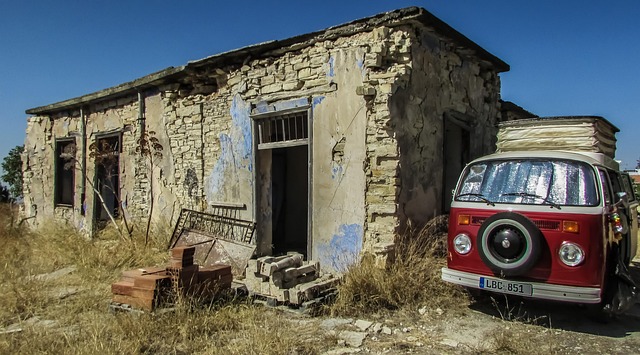
Restoring Heritage: Effective Strategies for Landmark Clearance
The clearance of historical landmarks is a delicate process that requires meticulous care and specialized knowledge, especially when dealing with properties of cultural significance. This becomes particularly evident in regions like Essex, Hampshire, and Dorset, where the rich history necessitates responsible and respectful handling during end-of-tenancy situations or property renovations. The ultimate goal is to ensure these landmarks are preserved while facilitating smooth transitions for residents or developers. Herein lies the importance of a complete house clearance solution that not only addresses practical concerns but also respects the historical context.
One of the key strategies in landmark clearance involves engaging professionals who understand the value and significance of such properties. Local experts, including heritage specialists and experienced end-of-tenancy clearance services like those offered by local house cleanup companies, play a pivotal role. They employ specialized techniques to safely remove debris and restore landmarks while adhering to stringent preservation guidelines. For instance, in Essex, where historic buildings are scattered across the county, professionals ensure that all fixtures and fittings are carefully documented and preserved for future use or display, providing a comprehensive solution that is both efficient and respectful of heritage.
Additionally, a successful clearance strategy should encompass sustainable practices, especially when dealing with rubbish removal in Dorset or similar areas renowned for their natural beauty. Implementing eco-friendly methods not only reduces the environmental impact but also aligns with the growing trend of responsible landmark preservation. This can include recycling materials where possible and utilizing specialized equipment to minimize damage during the clearance process. By adopting these strategies, the process of clearing historical landmarks becomes a means of preserving the past while preparing for a sustainable future.
Ultimately, a complete house clearance solution tailored for historical landmarks ensures that properties are cleared efficiently without compromising their integrity. This involves meticulous planning, adherence to legal and preservation guidelines, and engaging reputable professionals who understand the unique challenges associated with such projects. As developers and residents navigate these milestones, opting for services like find us at local house cleanup services guarantees a responsible approach to landmark clearance, preserving these architectural gems for future generations.
Understanding historical landmark clearance is crucial for preserving our heritage while facilitating necessary development. This article has outlined key considerations, from meeting legal requirements to engaging community stakeholders, highlighting the importance of a balanced approach. It has showcased how organizations like Complete House Clearance Solutions specialize in navigating these complexities, providing expert support for safe and legal landmark removal. Restoring heritage sites requires careful strategy, adherence to legal frameworks, and meaningful consultation. By integrating these insights, communities can ensure that progress and preservation go hand in hand, preserving our shared history while embracing modern development. Moving forward, stakeholders should prioritize open dialogue, thorough assessment, and the deployment of complete house clearance solutions where required, fostering a harmonious relationship between heritage conservation and urban evolution.