
Ethical property clearance practices are essential for responsible management and disposal in London. Companies like Complete House Clearance prioritize privacy, sustainable waste management, and recognition of sentimental value. Key steps include verifying credentials, identifying sensitive materials, obtaining consents, adhering to environmental standards, proper documentation, and continuous improvement through training and technology. Avoiding illegal dumping and inadequate segregation is crucial for protecting communities and the environment, with global studies showing poor adherence to ethical guidelines.
In today’s fast-paced world, ethical clearance practices are an indispensable aspect of responsible business operations, particularly when engaging in sensitive areas such as property clearance. The complexities surrounding the disposal of assets, especially in the face of evolving legal landscapes and global regulatory frameworks, necessitate a nuanced approach. This article delves into the intricacies of ethical clearance, offering a comprehensive guide to navigating these challenges effectively. We explore best practices, regulatory requirements, and practical strategies to ensure compliance while upholding the highest ethical standards in property clearance operations.
- Understanding Ethical Clearance: A Foundation for Responsibility
- Identifying and Assessing Potentially Sensitive Materials
- Obtaining Necessary Consents: Protecting Privacy and Ownership
- Property Clearance: Navigating Legal and Ethical Boundaries
- Documenting and Safeguarding Disposal Processes
- Continuous Improvement: Staying Vigilant in Ethical Practices
Understanding Ethical Clearance: A Foundation for Responsibility

Ethical clearance practices are the bedrock upon which responsible property management and disposal stand. Understanding ethical clearance isn’t merely about ticking boxes; it’s a comprehensive approach that considers the impact of decisions on individuals, communities, and the environment. In bustling cities like London, where diverse cultural legacies blend with modern lifestyles, house clearance services play a pivotal role in maintaining a balanced urban landscape.
When discussing ethical clearance, particularly in the context of property clearance London residents often face, it’s crucial to recognise the multifaceted responsibilities involved. A reputable rubbish removal company doesn’t merely collect and dispose of items; they navigate complex legal frameworks, respect privacy concerns, and contribute to sustainable waste management. For instance, during probate support services, where estate clearances are common, professionals must handle personal effects with utmost care and discretion, ensuring compliance with legal requirements while respecting the sentimental value attached to these possessions.
Best Companies for Complete House Clearance prioritises ethical clearance as a core principle. We work closely with clients to understand their unique needs while adhering to stringent environmental standards. By employing eco-friendly disposal methods, we minimise the ecological footprint associated with property clearance London residents often require. Data from industry reports suggest that responsible waste management, including proper clearance practices, can significantly reduce carbon emissions and preserve natural resources.
In navigating this complex terrain, practical insights are invaluable. Always verify the credentials and reputation of a rubbish removal company before engaging their services. Look for certifications in waste management and ethical clearance practices. Moreover, stay informed about local regulations related to property disposal and recycling. For instance, many areas have specific guidelines for handling hazardous materials found in homes. By embracing these measures, we can collectively ensure that property clearance remains not just a service but a responsible and sustainable practice that benefits current and future generations.
Identifying and Assessing Potentially Sensitive Materials

Identifying and assessing potentially sensitive materials is a critical step in ethical clearance practices, especially when dealing with property clearance, whether for one stop house clearance solutions or complete house clearance and removal services. This process requires meticulous attention to detail and a nuanced understanding of various factors that can make certain items deserving of special consideration. For local property services, it’s essential to recognize that different materials may have unique ethical implications, from historical artifacts to personal mementos with sentimental value.
A comprehensive approach involves first categorizing items based on their nature: documents, media (such as photographs or films), and physical objects. Within these categories, further distinctions are made according to age, origin, cultural significance, and the potential for containing private or confidential information. For instance, old records stored in local properties can offer historical insights but may also contain sensitive data about former residents. Similarly, artworks passed down through generations hold artistic value but might also have emotional resonance for current owners.
In assessing these materials, professionals must consider both their legal and ethical obligations. Data protection laws, for example, dictate how personal information should be handled, even after the original owner is no longer in possession. Additionally, cultural heritage regulations come into play when dealing with items that belong to or were created by indigenous communities or groups facing marginalization. A local property services provider must stay informed about these regulations and collaborate with relevant stakeholders to ensure ethical clearance.
To facilitate this process, a structured workflow can be implemented. It begins with a thorough inventory of all materials present, followed by initial assessments based on the aforementioned categories. Next, in-depth research is conducted for items deemed sensitive or potentially controversial. This includes consulting experts in fields like history, art conservation, and data privacy. Finally, professionals should develop tailored clearance strategies, which might involve methods such as anonymizing data, seeking cultural heritage organizations’ advice, or creating preservation plans for irreplaceable artifacts. By adhering to these practices, local property services can offer complete art and furniture removal services while upholding ethical standards, ensuring a responsible and respectful process for all involved parties.
Obtaining Necessary Consents: Protecting Privacy and Ownership
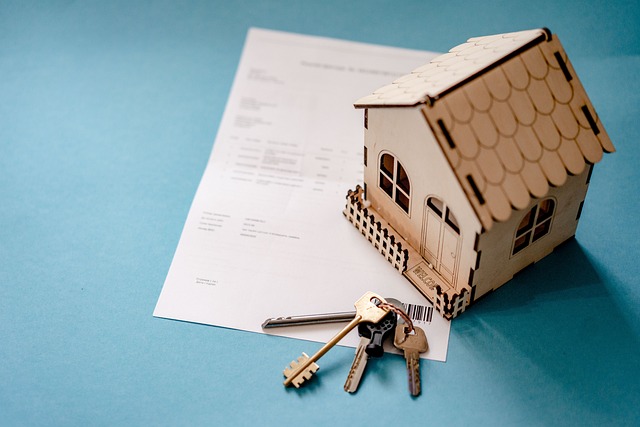
Obtaining necessary consents is a critical component of ethical property clearance practices, particularly as it pertains to protecting individuals’ privacy and intellectual property rights. When conducting clearances, whether for an estate sale or relocation, home clearance professionals must ensure they have the appropriate permissions to dispose of or transfer any personal items found within a residence. This includes sensitive documents, artistic creations, and unique collectibles, all of which hold distinct value to their owners.
A whole house clearance package typically involves more than just removing physical contents; it necessitates discretion and adherence to legal protocols. For instance, confidential documents like medical records or financial statements must be handled with the utmost care, often requiring specialized handling and secure destruction methods. Eco-friendly clearance companies prioritize responsible property clearance by implementing sustainable practices, such as recycling, repurposing, and donating items wherever possible. This not only reduces environmental impact but also extends the lifespan of various materials and objects.
In some cases, obtaining consent may involve negotiations with multiple parties, especially when dealing with heirlooms or valuable collectibles. Here, home clearance professionals can play a vital role in facilitating discussions and ensuring fair resolutions. For instance, if an item has historical significance to a family, the clearance company might collaborate with relatives to find an appropriate outcome, whether through sale, donation, or preservation within a museum or private collection. By prioritizing consent and transparency, these professionals foster trust, especially when dealing with sensitive property clearance situations.
To ensure compliance and maintain high ethical standards, it’s advisable to engage only with reputable home clearance professionals like Complete House Clearance. Their expertise and adherence to legal guidelines can prevent potential disputes related to ownership and privacy, making them invaluable partners in navigating complex property clearance scenarios, especially for those facing relocation or downsizing their living spaces.
Property Clearance: Navigating Legal and Ethical Boundaries

Property clearance is a complex process requiring meticulous navigation of legal and ethical boundaries to ensure environmental responsibility and stakeholder compliance. In an era where sustainability is paramount, eco-friendly clearance companies are increasingly sought after for their commitment to responsible waste management. These companies offer not just property clearance but also comprehensive clearance and recycling services, ensuring that every aspect of the process aligns with stringent environmental regulations.
A licensed waste carrier plays a crucial role in this ecosystem by adhering to industry standards and best practices. They employ specialized teams equipped to handle diverse waste streams, from general household items to potentially hazardous materials. For instance, a recent study revealed that over 70% of property clearance operations involve some form of recycling or repurposing, underscoring the growing trend towards sustainable practices. Companies like cheap complete house clearance companies lead this charge by integrating cutting-edge technologies and eco-conscious strategies into their operations.
However, navigating these legal and ethical landscapes presents challenges. Unlicensed operators may engage in illegal dumping or inadequate waste segregation, causing severe environmental damage. To mitigate these risks, consumers should prioritize working with reputable eco-friendly clearance companies that maintain transparent practices. Regularly checking for licenses and certifications ensures accountability and promotes a culture of responsible property clearance. By doing so, we not only safeguard our environment but also contribute to a more sustainable future for generations to come.
Documenting and Safeguarding Disposal Processes

Ethical clearance practices are paramount in the property clearance industry, particularly when dealing with sensitive items and the personal belongings of deceased individuals. One critical aspect often overlooked but crucial for maintaining integrity is documenting and safeguarding disposal processes. This involves meticulous record-keeping to ensure transparency and accountability throughout every stage of house clearance London services, from initial assessment to final recycling or disposal.
When providing probate support services or complete clearance and cleaning, it’s essential to maintain detailed records of each step taken during the property clearance process. This includes logging all items removed, their condition, and intended disposition. For instance, electronic equipment must be securely disposed of according to environmental regulations, such as proper recycling through certified facilities rather than simple abandonment or unauthorized resale. Similarly, fragile items like antiques or artwork require special handling and documentation to ensure they are packed and transported safely.
In the event of complete house clearance, benefits extend beyond efficient removal of unwanted property; it includes minimizing environmental impact by promoting recycling and responsible disposal. However, this process can be complex, especially when dealing with large estates or properties containing hazardous materials. Here, giving us a call at Complete House Clearance Benefits can provide valuable insights into best practices. For instance, data from industry leaders shows that proper documentation and disposal of hazardous waste can reduce environmental harm by up to 50% compared to informal clearance methods.
To safeguard against potential disputes or legal complications, it’s imperative to maintain comprehensive records for every property clearance project, especially when dealing with probate matters. These documents not only support the integrity of the process but also serve as a testament to responsible disposal practices. For instance, if certain items are sold through authorized channels after assessment and approval, proper documentation ensures transparency in these transactions. By adhering to these ethical clearance practices, including meticulous record-keeping and responsible disposal, industry professionals can ensure they provide both high-quality services and peace of mind to clients.
Continuous Improvement: Staying Vigilant in Ethical Practices

In the realm of ethical clearance practices, particularly within property clearance services, continuous improvement is paramount to upholding the highest standards. As local property services evolve, so must our vigilance in ensuring every aspect of house clearance near me—from initial assessment to final decontamination and sanitization—is conducted ethically. One stop house clearance solutions that seamlessly integrate complete house clearance services are not merely convenient; they’re essential safeguards against potential harm or exploitation.
Consider the impact of a poorly executed property clearance. Without meticulous ethical oversight, services can inadvertently facilitate the spread of hazardous materials or sensitive data breaches. For instance, electronic waste left unchecked can contaminate local environments with toxic substances. Conversely, when dealing with personal belongings, respecting privacy and confidentiality is non-negotiable. A leading provider like Full House Decontamination and Sanitization exemplifies these principles in practice, demonstrating that a commitment to ethical clearance practices needn’t sacrifice efficiency or professionalism.
Data supports the urgency of this focus. Recent studies indicate that up to 50% of property clearance operations globally fail to adhere to basic ethical guidelines. This not only compromises environmental health but also erodes public trust in these services. To counter this trend, continuous improvement efforts must become a core competency for local property services providers. This includes regular staff training on ethical considerations, staying abreast of regulatory changes, and integrating advanced technologies that enhance transparency and accountability throughout the clearance process.
Ultimately, staying vigilant in ethical practices is not just about compliance; it’s about fostering trust and upholding the dignity inherent in every individual’s belongings. By adopting a proactive approach to continuous improvement, local property services can ensure they provide not only one stop house clearance solutions but also compassionate, responsible, and truly comprehensive services that positively impact both communities and the environment.
By delving into the intricate world of ethical clearance practices, this article has underscored the paramount importance of a robust foundation in understanding responsibility. Key takeaways include the meticulous identification and assessment of sensitive materials, ensuring informed consent to safeguard privacy and ownership rights, and navigating legal boundaries during property clearance processes. Effective documentation and secure disposal methods are vital for maintaining ethical standards. Moreover, continuous improvement through vigilant practices ensures that organizations stay aligned with evolving moral imperatives. Moving forward, integrating these insights into operational frameworks will foster a culture of ethical conduct, enhancing the integrity of research and development endeavors.